
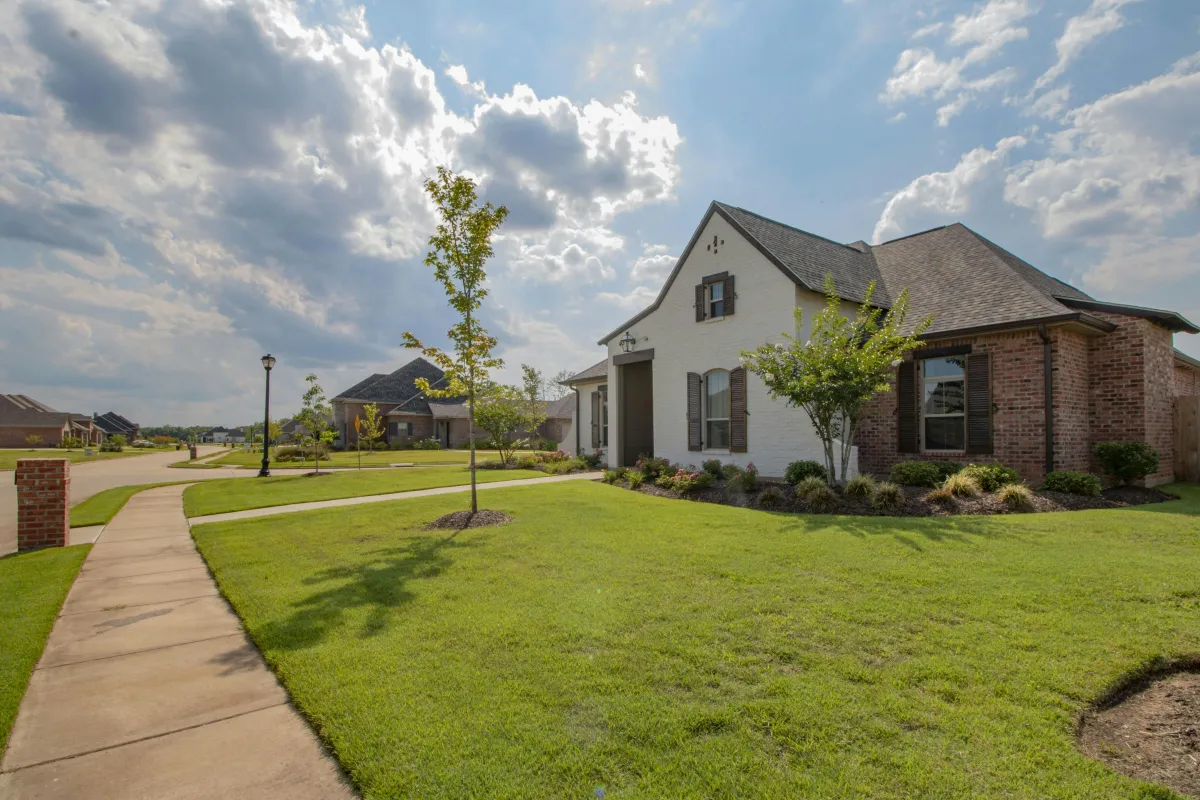
VA Cash-Out Loans for Vermont Homeowners
For Vermont veterans, home equity is often your most significant, yet static, asset. A VA cash-out refinance acts as a tool to unlock that trapped value for immediate use whether you need essential home repairs due to Vermont’s climate or want to consolidate high-interest debt. With 37,900 veterans across the state, the challenge is not access but precision. Learning to leverage your VA entitlement to replace a conventional mortgage rather than just borrowing against it can change your long-term financial trajectory. The goal is straightforward: maximize your equity while maintaining your financial stability.
What Is a VA Cash-Out Refinance Loan?
If you have built equity in your Vermont home, a VA cash-out refinance allows you to convert part of that equity into available funds while replacing your existing mortgage with a new VA-backed loan. The important distinction is that you are not taking out a separate loan, you are restructuring your current mortgage and using the value already tied up in your property. For many veterans, the most practical uses are reducing expensive debt, completing necessary home improvements or addressing major expenses that would otherwise require higher-cost financing.
A common misconception is that you must already have a VA mortgage to use this option. You do not. Eligible veterans with conventional, FHA or other qualifying mortgages may be able to refinance into a VA-backed loan while accessing available home equity. Whether that improves your financing depends on your current interest rate, loan terms, closing costs and long-term repayment strategy.
The amount you can access is determined by more than your home's market value. Lenders consider your remaining mortgage balance, income, credit profile, VA entitlement and the results of a VA appraisal. Your home's equity creates the opportunity, but these factors determine how much of that equity can actually be used.
At Envado, we help Vermont veterans compare refinance offers from multiple lending partners because the first quote is rarely the only option available. Differences in rates, fees and lender requirements can significantly change the total cost of the loan. Reviewing multiple offers helps you understand the real trade-offs before choosing a refinance that fits your financial situation.
What to Expect From the VA Cash-Out Refinance Process in Vermont
The VA program creates the framework for a cash-out refinance, but it does not set your final loan terms. The lender determines those terms after reviewing your financial profile, your property value and the amount of equity available. This is why two Vermont veterans with similar homes can receive different refinance offers: credit history, income, existing debt and lender-specific requirements all influence the outcome.
The process starts with verifying the details that determine your borrowing capacity. Your lender reviews your current mortgage, income, credit profile and VA eligibility through a Certificate of Eligibility (COE). A VA appraisal is also required in most cases because the lender needs an accurate valuation of your home before determining how much equity can be accessed.

If approved, the refinance replaces your existing mortgage with a new VA-backed loan. The cash you receive at closing comes from the equity you have built, not from adding a separate personal loan or second mortgage to your monthly obligations.
In Vermont, home values can vary widely between places like Burlington, Essex Junction, Rutland, Bennington and smaller rural communities. However, your ZIP code is only one piece of the equation. Your available equity is driven primarily by your home's appraised value, your remaining mortgage balance and the lender's loan limits, not by statewide averages or nearby property prices.
Who Can Apply for a VA Cash-Out Refinance in Vermont?
Military service alone does not guarantee approval for a VA cash-out refinance. Your service gives you access to the VA loan benefit, but the lender still has to determine whether the new mortgage fits your financial situation and whether the property meets program requirements.
The first step is confirming your VA eligibility through a Certificate of Eligibility (COE). After that, the lender evaluates the factors that affect repayment ability, including your income, credit history, debt-to-income ratio, current mortgage balance and available home equity. In most cases, the home being refinanced must be your primary residence.
Your equity position plays a major role in the process, but equity alone does not determine how much you can receive. The lender relies on the home's appraised value, your remaining mortgage balance and applicable loan-to-value limits. A home's estimated market value may give you an idea of your potential equity but the appraisal is what the lender uses for the final calculation.
Whether you own a home in Burlington, Colchester, Rutland, Bennington or a smaller Vermont community, your eligibility is not based on your location. The key factors are your financial profile, your VA entitlement and the value of the property you are refinancing.
How Vermont Veterans Commonly Use Their Home Equity
A VA cash-out refinance is most valuable when the money solves a financial problem or creates lasting value. Using home equity for temporary expenses can turn a short-term need into decades of mortgage payments so the strongest uses are typically those that lower costs, protect your property or improve your long-term financial position.
Replace High-Interest Debt With More Manageable Financing
Many veterans use a cash-out refinance to pay off credit cards, personal loans or other high-interest debt. Moving expensive debt into a mortgage may reduce monthly obligations, but the decision should be based on the complete cost of the refinance including closing costs and the length of the new loan, not just the lower interest rate.
Protect and Improve Your Vermont Home
Vermont homeowners face unique maintenance challenges. Heavy snow, freezing temperatures and seasonal weather can accelerate wear on roofs, heating systems, insulation and other major components of a home. Using equity for necessary repairs or energy-efficiency upgrades can help prevent larger expenses later while improving the home's comfort and value.
Make Long-Term Accessibility Improvements
For veterans who plan to stay in their homes, accessibility upgrades can be more than a convenience; they can help preserve independence and make the property easier to live in over time. Common projects include walk-in showers, ramps, wider doorways, stair lifts and first-floor living modifications.
Invest in Education or Career Advancement
Some veterans use home equity to fund education, certifications, trade programs or professional training. When the investment improves earning potential, using available equity may support broader financial goals beyond the home itself.
Cover Unexpected Expenses
Unexpected medical costs, emergency home repairs or other significant financial obligations sometimes require access to larger amounts of cash than a savings account can provide. For homeowners with substantial equity, refinancing may offer an alternative source of funding.
Convert an Existing Mortgage Into a VA-Backed Loan
Veterans who currently have a conventional or FHA mortgage may be able to refinance into a VA-backed loan while accessing available equity. This can simplify financing by replacing the existing mortgage structure with one VA-backed loan.
Why Vermont Veterans Are Using Their Home Equity
For many Vermont veterans, home equity represents one of the largest financial assets they have built since leaving active service. Years of mortgage payments and changes in property value can create significant equity but that value remains tied to the home until you decide how to use it. A VA cash-out refinance provides a way to access part of that equity while continuing to own the property.
This opportunity is especially relevant in a state with a large veteran homeowner community. According to the U.S. Census Bureau, Vermont is home to approximately 37,900 veterans and around 72% of homes are owner-occupied. The median value of an owner-occupied home in the state is approximately $305,000 meaning many long-term homeowners may have built meaningful equity through both mortgage payments and property appreciation.
Equity availability, however, depends on the individual property, not statewide averages. A homeowner in Burlington, South Burlington, Montpelier, Rutland or a rural Vermont town may have very different refinancing options based on the home's appraised value, remaining mortgage balance and local market conditions.
The Vermont Office of Veterans Affairs also provides resources that help veterans access benefits and state support programs. At Envado, we help veterans understand how their home equity and refinance options compare across lending partners so they can evaluate choices based on their actual financial situation.
How Envado Helps Vermont Veterans Compare Refinance Options
Choosing a VA cash-out refinance is not only about qualifying for the program. The terms you receive can vary between lenders even when the same VA guidelines apply.
Some lenders may offer different interest rates, fees, loan limits or underwriting requirements based on their own internal criteria. Those differences can affect how much you pay over the life of the loan and whether refinancing actually improves your financial situation.
Envado helps Vermont veterans compare refinance options from multiple lending partners instead of relying on a single offer. By reviewing different loan structures you can better understand the costs, available terms and potential trade-offs before replacing your current mortgage.
The goal is not to find the largest cash-out amount, it is to identify a refinance option that makes sense based on your budget, your home and your long-term financial plans.
FAQ About VA Cash-Out Refinance Loans in Vermont
1. Can I get a VA cash-out refinance if I do not already have a VA loan?
Yes. A common misconception is that this program is only available to current VA borrowers. In reality, eligible veterans can often refinance a conventional, FHA or other mortgage into a VA-backed loan while accessing their available home equity at the same time.
2. How is the amount I can borrow determined?
Your borrowing limit is based on several factors, including your home's appraised value, your remaining mortgage balance, your available VA entitlement and the lender's underwriting guidelines. The amount is calculated from your individual financial profile not from average home prices in Vermont.
3. What are the most common ways veterans use the funds?
Many Vermont homeowners use a cash-out refinance to consolidate higher-interest debt, replace aging roofs or heating systems, improve energy efficiency, complete accessibility modifications or pay for education expenses. The strongest use cases are typically those that either improve your financial position or increase the long-term value of your home.
4. Is debt consolidation an allowed use for a VA cash-out refinance?
Yes. Eligible borrowers often use the proceeds to pay off higher-interest debt, such as credit cards or personal loans. Consolidating debt into one monthly mortgage payment may simplify your finances although it is important to understand the long-term cost of refinancing.
5. Why is a VA appraisal required?
The appraisal is not simply a formality. It establishes your home's current market value, which helps determine how much equity is available and whether the property meets VA minimum property requirements.
6. How long does the refinancing process usually take?
Every loan follows its own timeline but most VA cash-out refinances take several weeks to complete. Processing time depends on factors such as document collection, appraisal scheduling, underwriting and how quickly any additional information is provided.
7. Can I apply if my home is outside Burlington or another major city?
Yes. VA cash-out refinance loans are available for eligible primary residences throughout Vermont. Whether you live in Burlington, Rutland, Bennington, Montpelier, Brattleboro or a rural community, the same VA program rules apply. Your eligibility depends on your financial profile and property, not your location within the state.
8. Does Envado provide VA loans directly?
Envado is not a lender so we do not issue loans or set interest rates. Instead, we connect Vermont veterans with lending partners experienced in VA refinancing, making it easier to compare offers, understand loan terms and choose the option that best aligns with your financial goals.
Explore Your VA Cash-Out Refinance Options in Vermont
Your home equity is valuable because it gives you financial options, but accessing it comes with a cost. A VA cash-out refinance can be a useful tool when the funds serve a specific purpose, such as replacing high-interest debt, completing necessary improvements or handling a major expense without relying on more expensive borrowing.
The strongest refinance decision is not always the one that provides the most cash at closing. A larger loan balance can also mean higher monthly payments and more interest paid over time. Before refinancing, it is important to compare the full loan structure, including the interest rate, fees, repayment terms and how the new mortgage affects your budget.
At Envado, we help Vermont veterans compare VA cash-out refinance options through lending partners who understand VA loan programs. By reviewing multiple offers, you can see how different lenders structure their loans and choose an option based on the actual cost of borrowing, not just the amount of cash available upfront.